
The Midwest and the river · Red Cloud, Nebraska
Red Cloud and the prairie Willa Cather carried with her
A small railroad town in south-central Nebraska gave Willa Cather the streets, neighbours and open grassland of her best novels. You can still walk the first and stand in the last.
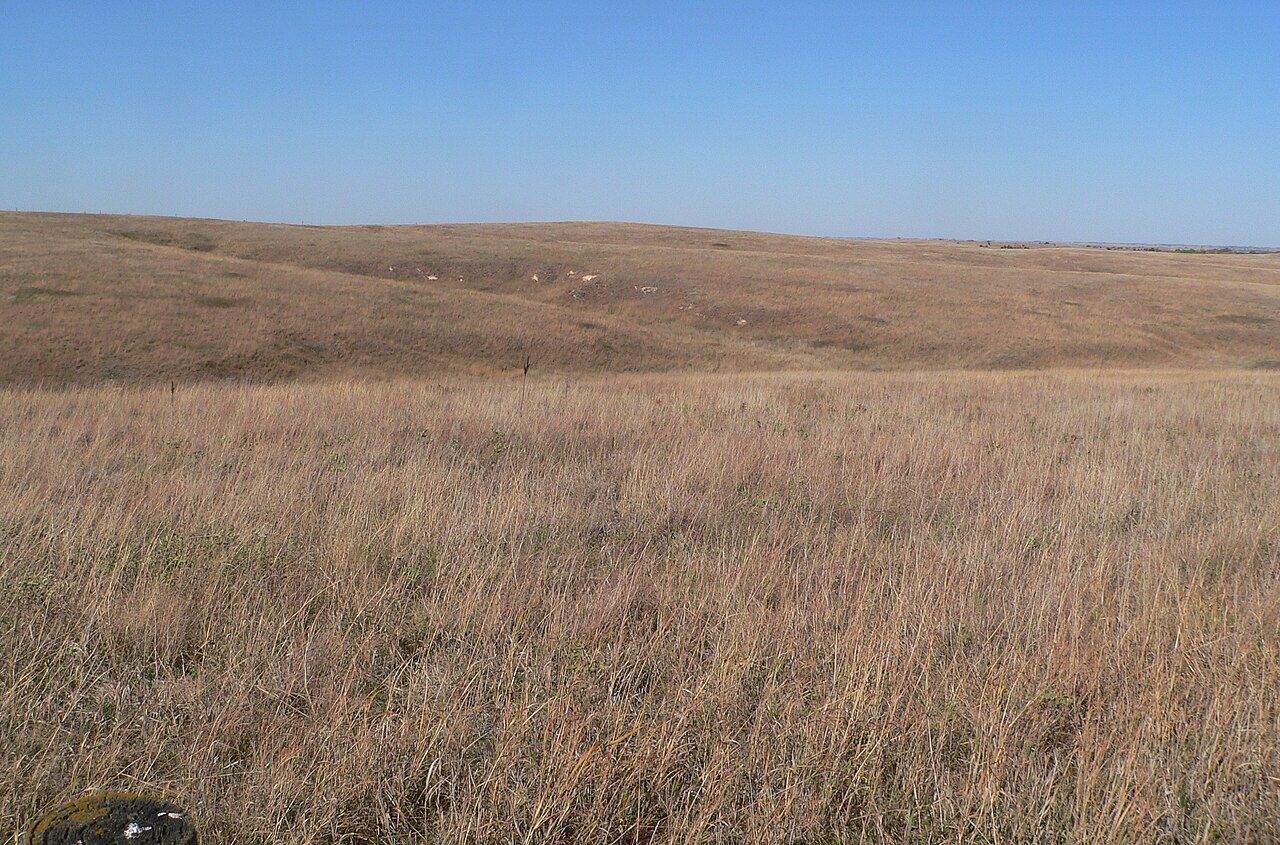
Red Cloud sits in Webster County, a few miles north of the Kansas line, where the Republican River cuts a shallow valley through farm country. Willa Cather arrived in Nebraska from Virginia as a girl of nine in 1883, spent a year on the open land with her family, and moved into town in 1884. She left for the university in Lincoln a few years later and lived most of her adult life in New York, yet she kept coming back to this place on the page. The town turns up in her novels under other names, most famously as Black Hawk in My Ántonia and as Moonstone in The Song of the Lark.
The appeal of a stop here is that the scale has barely changed. You can walk from the house where she grew up to the opera house and the old commercial blocks in a few minutes, then drive a short way south and stand in grass that looks much as it did when she was a child.
A town written under other names
Cather's Nebraska novels are not travel writing, and Red Cloud is not a theme park of them. What you find instead is a set of real buildings and a real landscape that she rearranged. Her first prairie novel, published in 1913, is set on the farmland around a fictional town; My Ántonia (1918) follows a Bohemian immigrant girl and the narrator who grew up beside her; A Lost Lady (1923) is about a railroad town in decline. Read any one of them before you arrive and the street grid starts to look familiar.
The novels are honest about hardship. Immigrant families from Bohemia, Scandinavia and Germany broke the sod, lost children to fever and crops to drought, and some of them did not survive the first winters. The land they farmed had been taken from the Pawnee and other Plains nations not long before, a fact the books mostly leave at the edge of the frame. It is worth keeping in mind as you look across the fields.
The childhood house on Third Avenue
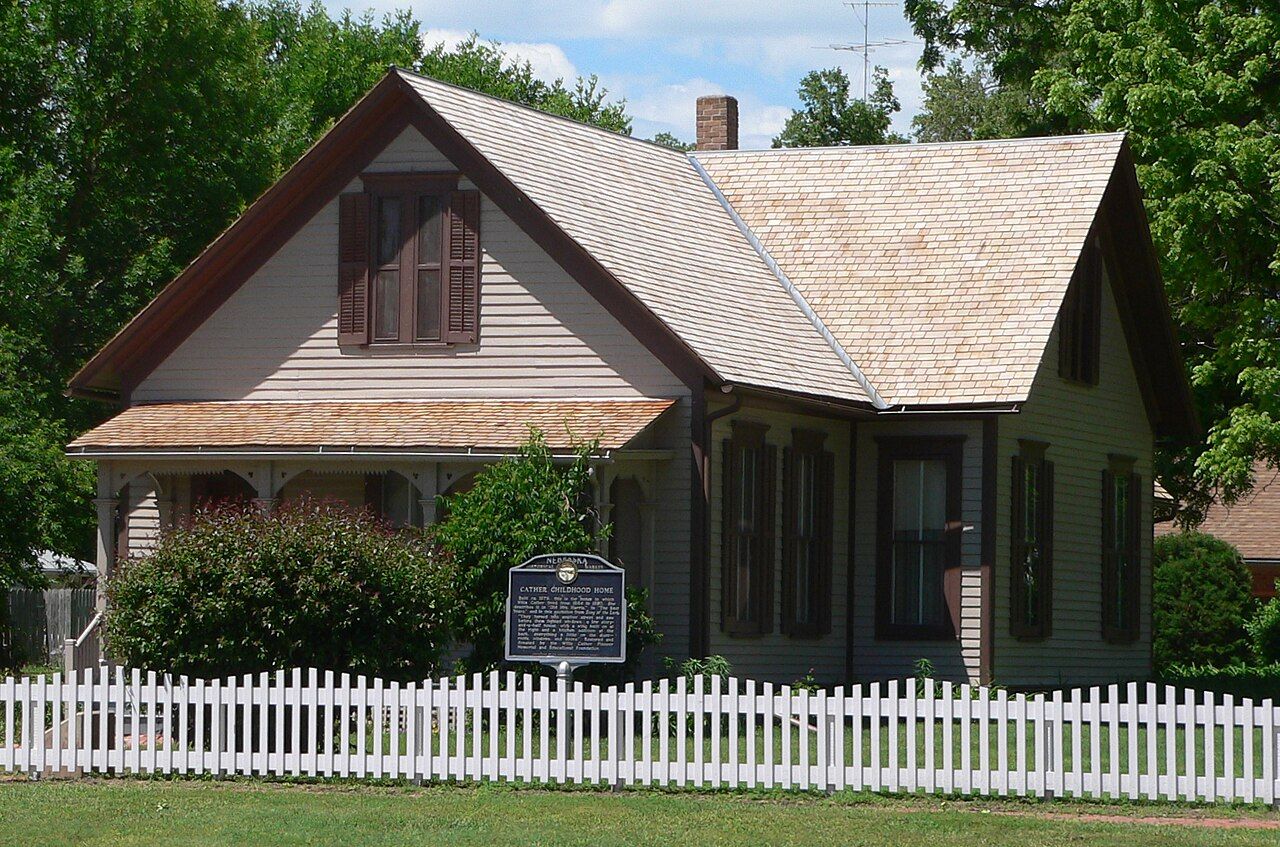
The modest frame house at Third Avenue and Cedar Street was the family's home from 1884 to 1890. It was crowded: parents, grandmother, a growing line of children and a hired girl shared the rooms. Cather had a small space of her own upstairs under the roof, and the house appears, lightly disguised, in more than one of her books.
Inside, the rooms are furnished to the period and seen on a guided visit rather than on your own. Tours are small and run on set times, so plan around them. From outside you can read the state historical marker by the fence and look at the house from the street at any hour.
The opera house and Webster Street
Webster Street is the main street, lined with brick commercial blocks from the town's railroad years. The restored opera house stands here. When Cather was a girl, touring companies played its upstairs hall, and she watched what came through town with the attention she later gave to singers and actors in her fiction. She is said to have given a speech there at her high-school graduation in 1890.
Next door, a centre devoted to her life and work holds exhibits and serves as the starting point for tours of the other Cather sites in town. It is the place to ask what is open on the day you arrive, because several buildings tied to the novels are kept by the same non-profit foundation and open on different schedules.
Shelved nearby · WE 084Steinbeck country: from the Salinas Valley to Cannery RowWalk a little further and you reach the churches, the old railroad depot and the quiet residential streets. Red Cloud is small enough that you do not need a plan; you need an afternoon and comfortable shoes. If you are linking this stop with the river towns of the Midwest, the drive east to Mark Twain's Hannibal crosses Missouri in a long day.
The prairie south of town
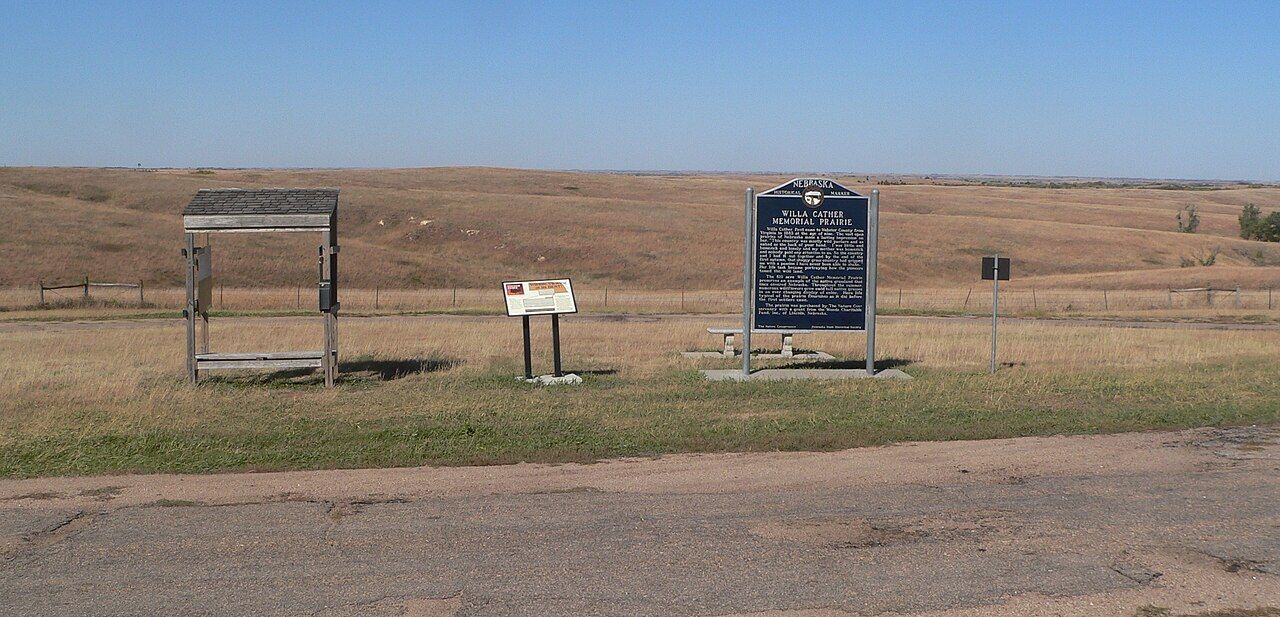
About five miles south of Red Cloud, on the west side of US 281 just before the Kansas line, the Willa Cather Memorial Prairie keeps a stretch of native grassland that has never been ploughed. A state historical marker and a small shelter stand by the road; beyond them the land rolls away in big swells of grass, with almost nothing built on it.
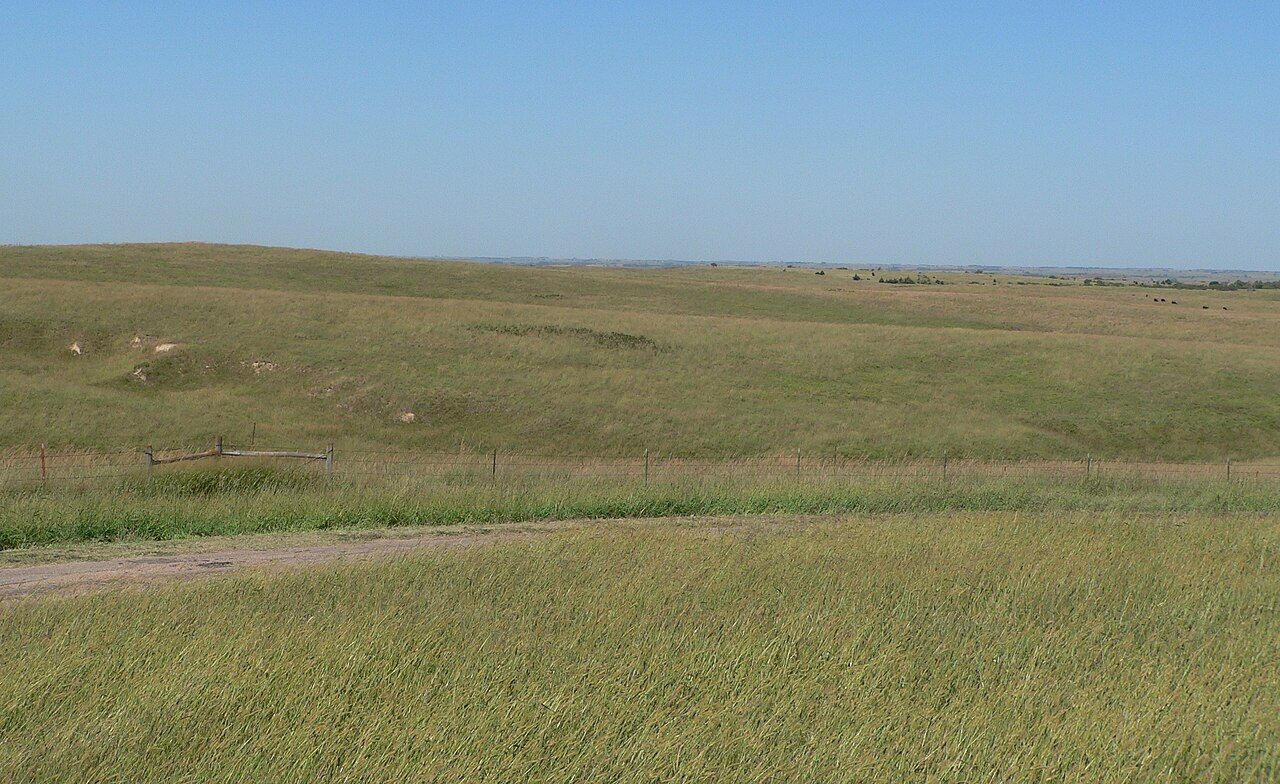
This is the closest you can come to the country Cather described when she wrote about the land itself as a character. In late spring the grass is green and wildflowers show among it; by early autumn it has turned tawny and copper, and the wind runs through it in visible waves. Walk in a short way on foot, keep to the paths, and listen. There is little shade and no water, so go prepared.
Planning the stop
Red Cloud is a detour from anywhere, which is part of its point. Most visitors come up US 281 from Kansas or down from Grand Island and Interstate 80, or along US 136, which runs east and west through the town. Give it a full day if you want the house, the centre, a walk on the main street and the prairie; half a day covers the essentials.
- Check tour times before you set out, as days and hours change through the year.
- Spring and autumn are the most comfortable seasons; summer afternoons on the prairie are hot and exposed.
- Services in town are limited, so fill the tank and carry water before you head south to the grassland.
Cather is buried far from here, in Jaffrey, New Hampshire, where she spent many summers. Red Cloud is where her imagination took root. If your trip continues west, her late novel Death Comes for the Archbishop (1927) carries you on to the adobe country around Taos and northern New Mexico.
Pictures on loan from
- Ammodramus CC0
- Ammodramus Public domain
- Ammodramus CC0
- Ammodramus Public domain

