
The West · Salinas
Steinbeck country: from the Salinas Valley to Cannery Row
John Steinbeck grew up in a farm town at the head of a long green valley and wrote about it, and the sardine coast beyond, for the rest of his life. The drive between them is short.
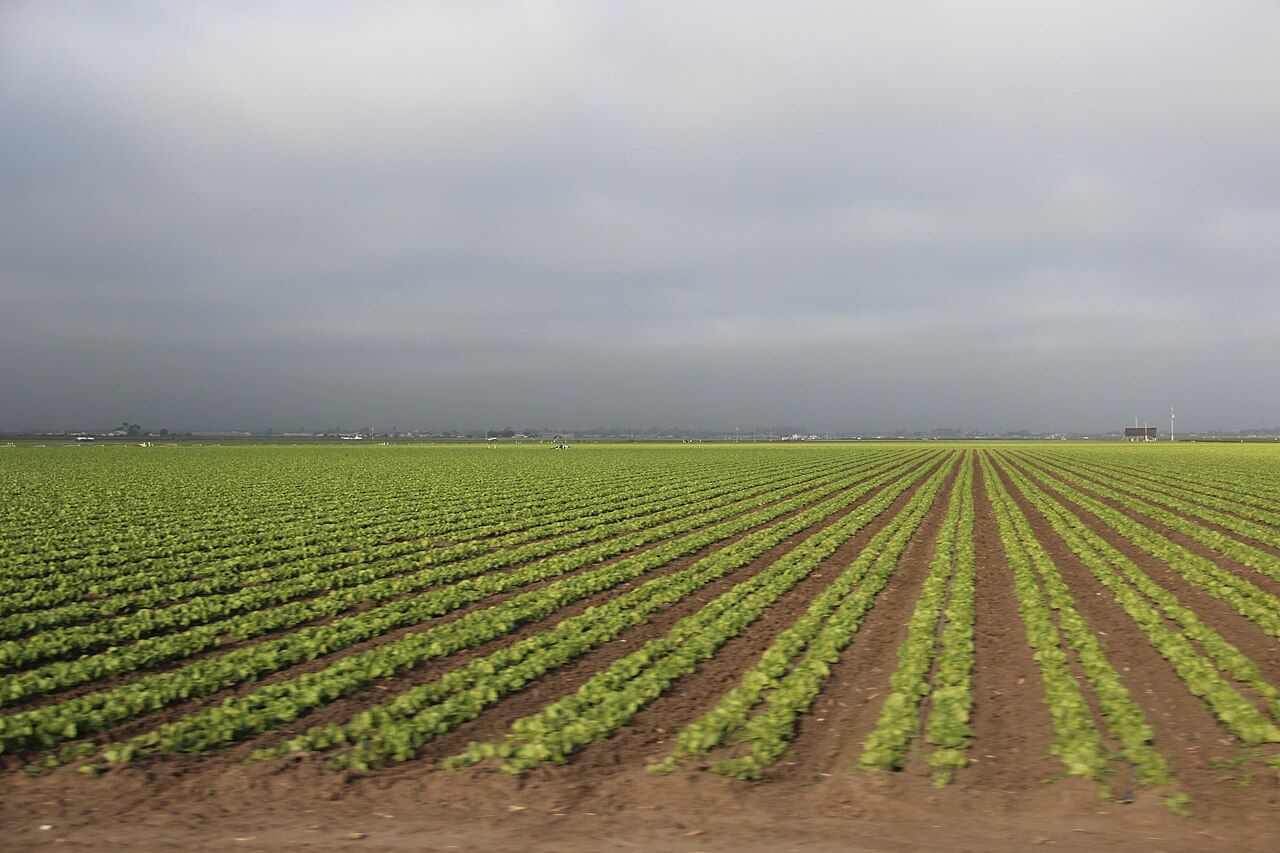
John Steinbeck was born in Salinas, California, in 1902, the son of the county treasurer and a former schoolteacher. The town then was a farm and railroad centre at the north end of the Salinas Valley, a broad, flat trough of fields between two mountain ranges, the Gabilans to the east and the Santa Lucias to the west. He left for Stanford, for New York, for the war as a correspondent, and he died in New York in 1968. But the valley, and the fishing town of Monterey over the hills, gave him most of what he wrote that people still read.
A trip here takes in three different landscapes: the old town of Salinas, the working farmland that stretches south for many miles, and the bay at Monterey, where the canneries of his novel Cannery Row once stood. All three are within an hour's drive of one another.
Salinas, the town he left and kept writing
Start at the top of Main Street, where the National Steinbeck Center holds a museum of his life and books. The exhibits move through the novels one by one, with space given to the farm labour and migrant families at the heart of Of Mice and Men (1937) and The Grapes of Wrath (1939). It is a good place to sort out which book you want to follow on the road, and it is a museum rather than a shrine.
A few blocks away on Central Avenue stands the Victorian house where he was born. You can see it from the street; it opens to visitors at certain times, so check before you plan on going inside. Steinbeck's ashes lie in the family plot at a cemetery on the edge of town.
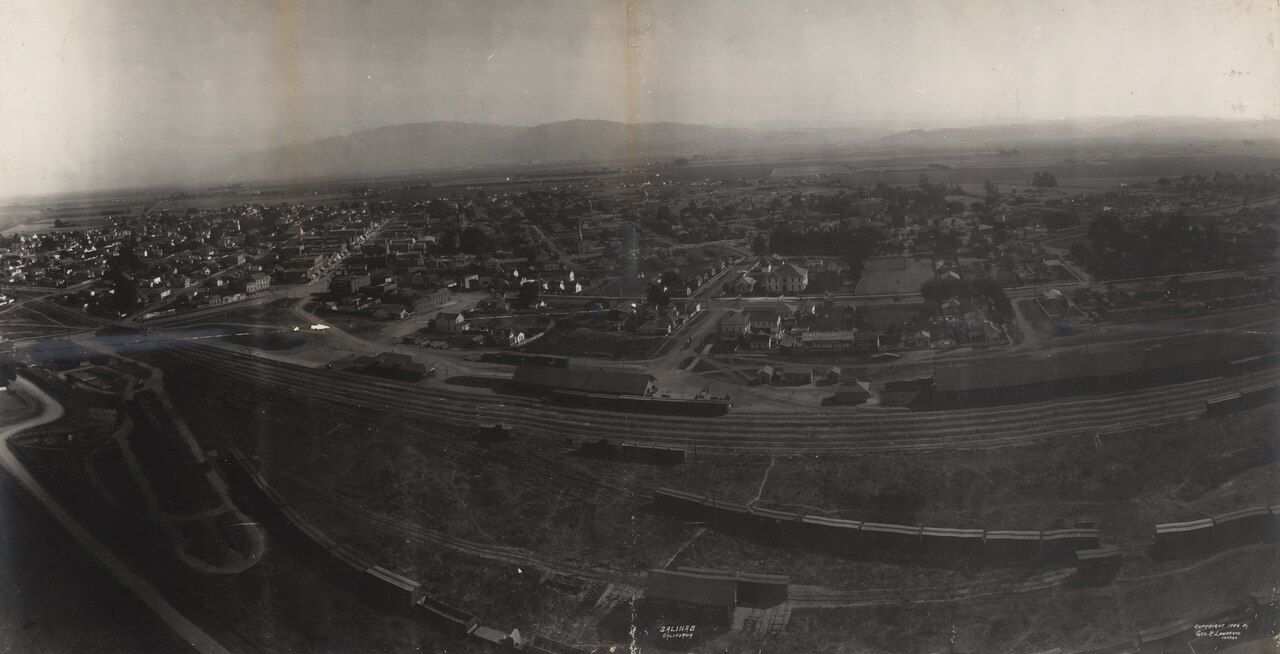
Salinas was not always comfortable with its most famous son. His portraits of farm owners, labour camps and the violence of the 1930s strikes were read by some locals as an attack on the town. The rift has long since closed, but it is worth remembering that the novels describe real conflicts over wages and land, and that many of the people who picked the crops were migrants with no say in how they were treated.
Steinbeck's collection of stories The Long Valley (1938) takes its title from this landscape, and several of its stories, including "The Chrysanthemums" and "The Harness", are set on the ranches around Salinas. They are short enough to read in an evening in town before you drive south the next morning.
The valley of East of Eden
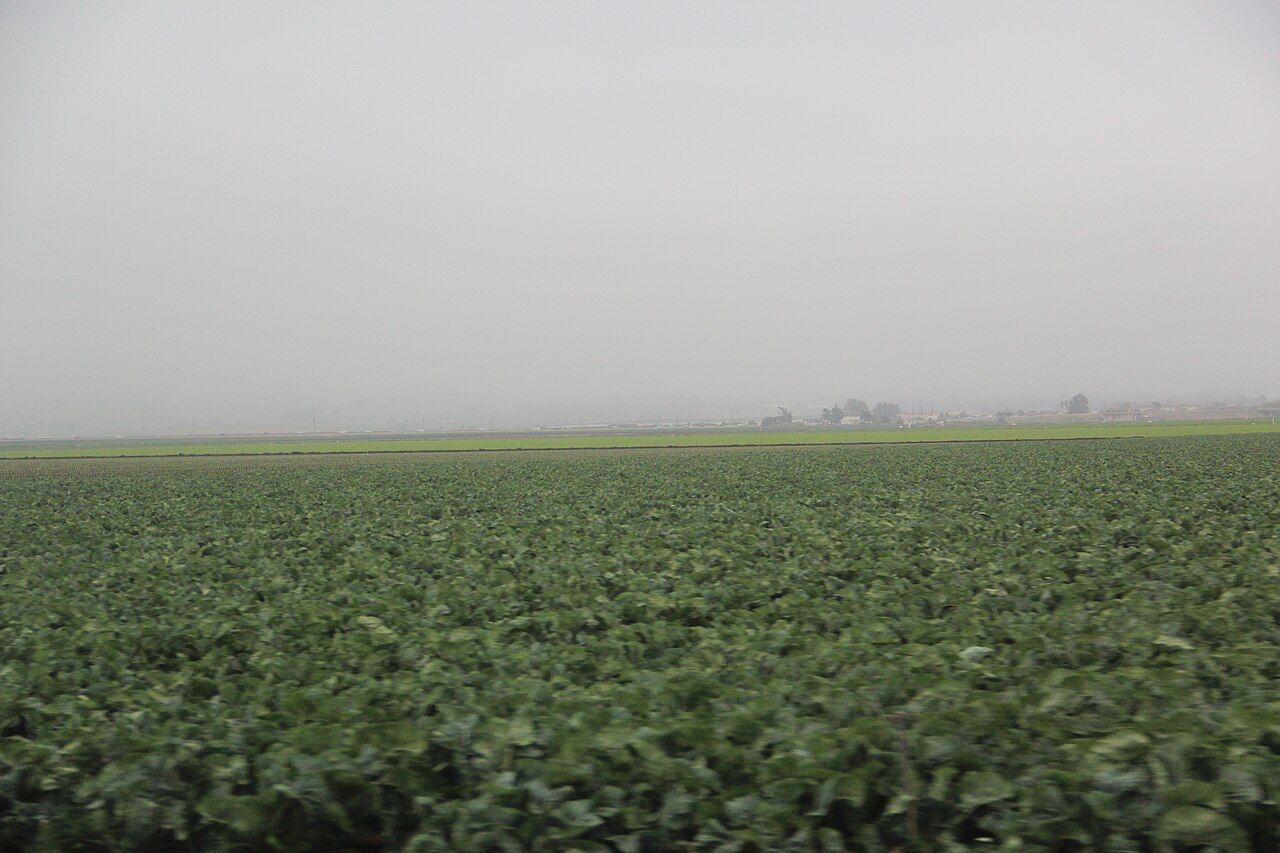
South of town the fields begin, and they hardly stop for the next hundred miles. Lettuce, strawberries, broccoli and artichokes grow in rows that run to the foot of the hills. East of Eden (1952) opens with a long description of this valley, its two mountain walls and its river, and you can test it against the view from almost any farm road off US 101.
Drive south through Gonzales and Soledad and the valley narrows a little. The Salinas River runs along its western side, often half hidden by willows and cottonwoods. Of Mice and Men begins on a river bank a few miles south of Soledad, and the stretch of country here is the closest you will come to that opening scene. Much of the land is private, so look from public roads and pull-outs rather than walking into fields.
Fog is part of the valley's character. Summer mornings often start grey and cool as marine air pushes in from the bay, and the sun does not break through until midday. Steinbeck opened his story "The Chrysanthemums" with the valley closed under a lid of winter fog.
Shelved nearby · MW 077Red Cloud and the prairie Willa Cather carried with herOver the hill to Cannery Row
Route 68 climbs out of Salinas, crosses the hills and drops toward Monterey in about half an hour. The street that Steinbeck called Cannery Row was officially Ocean View Avenue in his day; the city renamed it after the novel in 1958. In the 1930s and 1940s it was lined with sardine canneries and reduction plants, and the smell carried for miles.
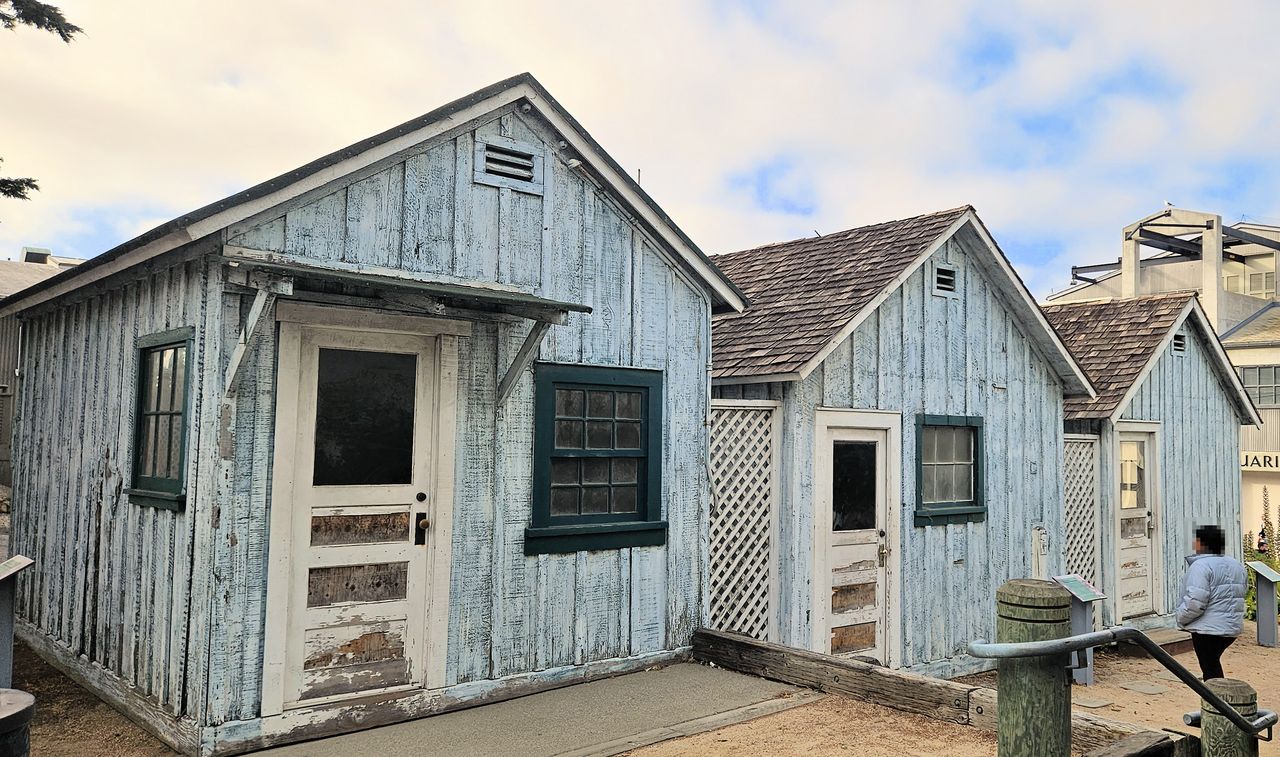
The sardines disappeared in the late 1940s and early 1950s, and the canneries closed one after another. Today the row is given over to visitors, with a large public aquarium in one of the old plants at its far end. Look past the newer buildings for what survives: a set of small wooden cabins that once housed cannery workers, many of them immigrant families, and the modest frame building where Steinbeck's friend Ed Ricketts ran his marine laboratory, the model for Doc in the novel.
The book itself is a comedy with a sad edge, a portrait of people who live outside respectable society and on the scraps of the industry around them. Read it on a bench above the water and the street around you becomes a set of ghosts. The sequel, Sweet Thursday (1954), returns to the same street after the war.
Read it on a bench above the water and the street around you becomes a set of ghosts.
Before you leave Monterey, walk into the old town near the harbour, where Monterey State Historic Park keeps a group of adobe buildings from the Mexican and early American years. One of them is the house where the Scottish writer Robert Louis Stevenson lodged in 1879, when he came to California to follow the woman he later married. Steinbeck's Monterey was a newer, rougher town, but it grew on top of this one.
The coast he wrote
From Cannery Row you can follow the shore west into Pacific Grove, where the Steinbeck family kept a cottage and where he lived and wrote for spells in the 1930s. The town's shoreline path runs past tide pools and rocky coves that he and Ricketts explored. South of Carmel, Point Lobos State Natural Reserve protects some of the most dramatic coast in California, and beyond it Highway 1 runs into Big Sur.
Tortilla Flat (1935), his first popular success, is set among the paisanos of the hills above Monterey, and parts of The Red Pony draw on ranch country near Salinas. If you want a single route, drive from the Salinas fields to Monterey in the morning, walk Cannery Row at midday, and end with the coast in the late afternoon light.
When to go and how to plan
- Spring and autumn usually bring the clearest weather. Summer is busy on the coast and foggy in the mornings.
- Check opening days and hours at the National Steinbeck Center and the birthplace before you set out.
- Parking on Cannery Row is in paid lots and garages; arrive early on weekends.
- Pack a warm layer even in July, as coastal fog can drop the temperature quickly.
Steinbeck spent his later years as a traveller. In 1960 he drove around the country in a camper truck with his poodle and wrote Travels with Charley about it, a good book to carry on any literary road trip. If you are working north along the coast, the poets and novelists of San Francisco's North Beach are a two-hour drive away.
Pictures on loan from
- Thomson200 CC0
- George R. Lawrence Co., photographer Public domain
- Thomson200 CC0
- Eric Polk CC BY-SA 4.0